
Site Spotlight: Post Point
Number: 362
Region: Bellingham
Launched: 2016
Site Captain: Bob Cecile
Habitat Type: Lagoon
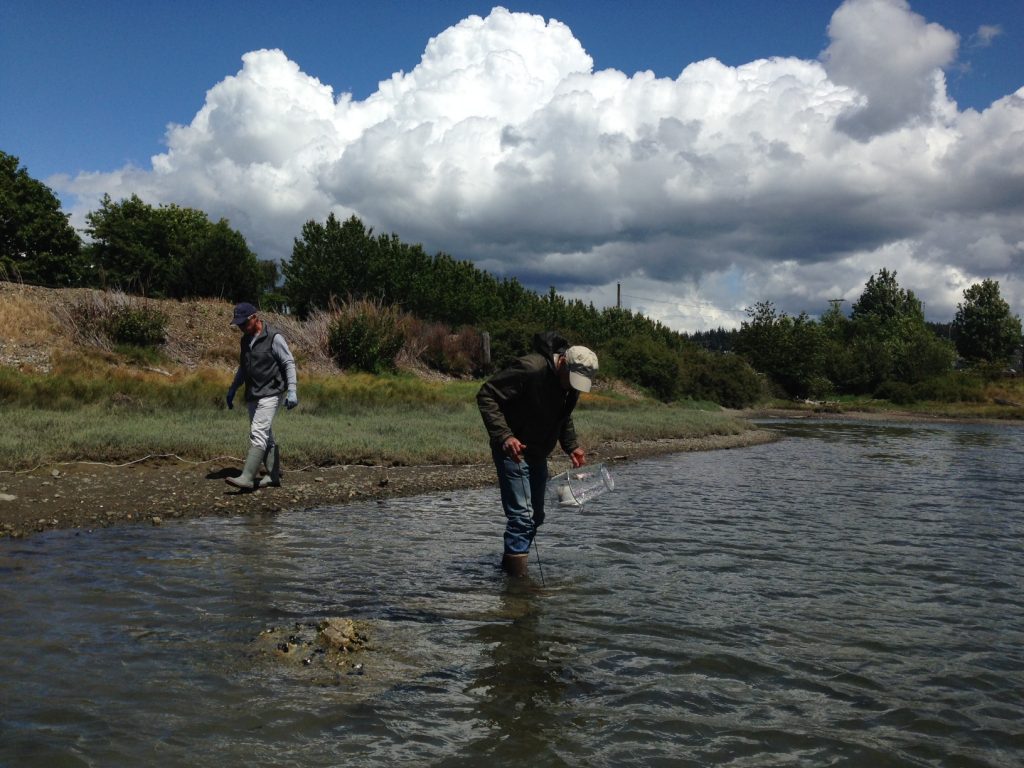
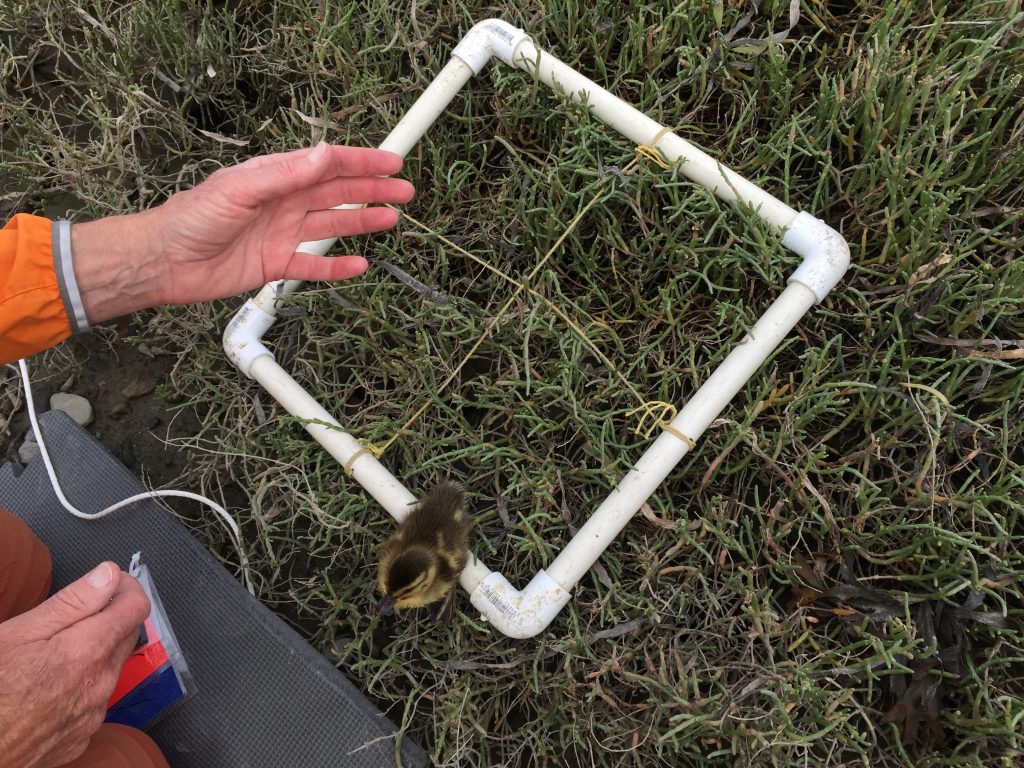
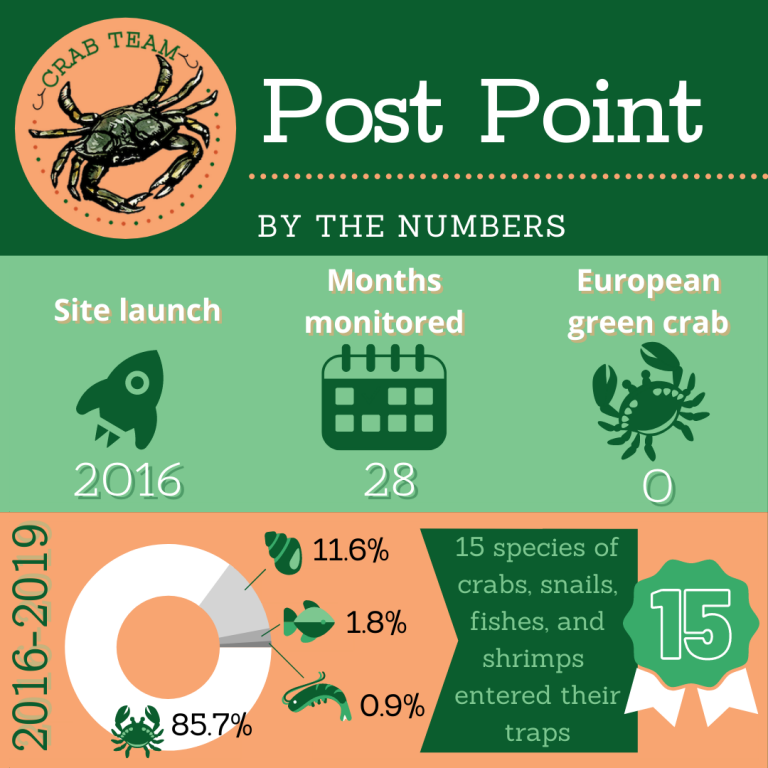
If you peruse the Crab Team archives of annual infographics, you might notice that one site name pops up repeatedly with the superlative of greatest diversity of animals trapped: Post Point. Tucked between Bellingham’s wastewater treatment facility and a railroad trestle, this pocket estuary lagoon in Fairhaven might not be your first guess as the title-holder for the greatest number of species in the traps for three of the last four years.
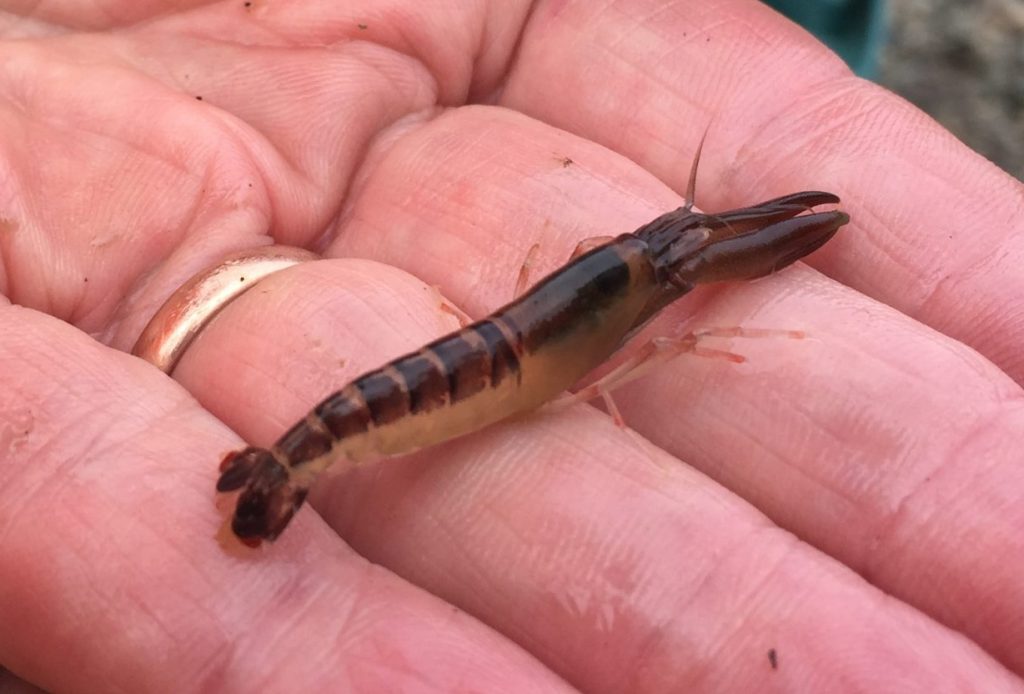
In total, volunteers working at the site have identified 15 species of crabs, snails, fish and shrimps that have entered their traps (including the only snapping shrimp ever caught in Crab Team sampling) — and that doesn’t include the algae, eelgrass, and animals that don’t enter traps but nevertheless enrich the lagoon. For example, it turns out that Post Point is home to one of only two documented populations of the rare native Olympia oyster (Ostrea lurida) in Whatcom County — and the presence of our State bivalve at this site was first uncovered by Crab Team volunteers!
Crab Team data also don’t capture the waterfowl that rest and raise their young in the lagoon, or the herons nesting in the heronry overhead.
Meet the Post Point Crabbers
The volunteer crew at Post Point is particularly well equipped to capture this diversity, as the team members have a wealth of local shoreline expertise. Team captain Bob Cecile sits on the Whatcom Marine Resources Committee (MRC) and actually participated in the previous volunteer-based effort to monitor for European green crabs prior to 2010 (Marine Invasive Species Monitoring with Puget Sound Partnership).
Glen “Alex” Alexander, also an MRC member, was the outreach and education coordinator at Padilla Bay National Estuarine Research Reserve prior to retiring a few years ago. In fact, it was Alex who found the first European green crab in Padilla Bay in 2016, hot on the heels of the first-ever detection in inland Washington on San Juan Island that same year. Alex cites his motivation for staying involved in all things green crab, including volunteering with the Makah Tribe and the Drayton Harbor assessment last fall, as the draw of actually getting his hands on the dang crabs! About Crab Team in particular, he adds, “It is good science….that really does bring great fulfillment to me.“ Crab Team brings people together seeking the camaraderie of working alongside others who value the rigorous and careful work needed to make sense of complex ecological questions. In a funny coincidence, Alex and teammate Bob Lemon realized that they had worked together on a lab team counting snails back at Huxley College decades ago! Post Pointers are generous to bring their depth of experience in education, marine stewardship and natural history to Crab Team.
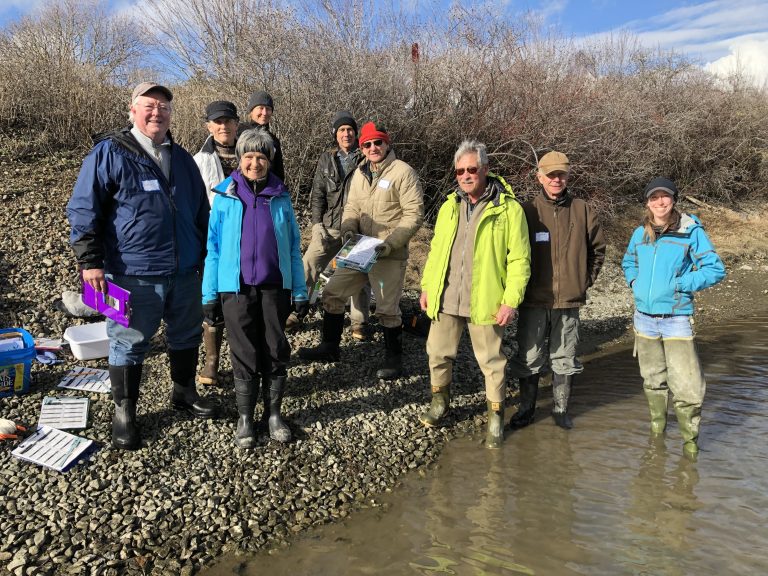
Volunteers at a 2019 refresher practice session at Post Point. Photo courtesy of Jeff Adams.
An Evolving Site
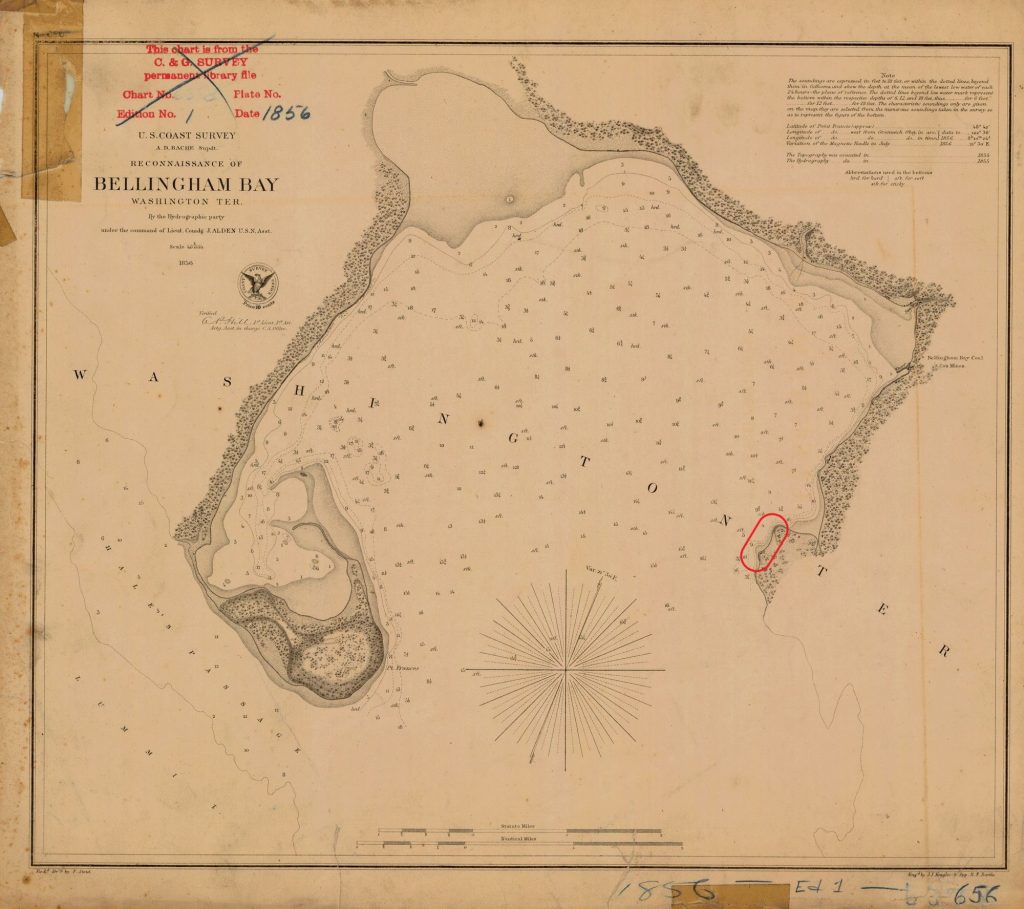
The present richness of life is a welcome site at Post Point. On the ancestral lands of the Lummi and Nooksack peoples, the site has transformed, evolved and reemerged several times in new guises. For, as rich as is the marine community, so is the history of Post Point, also known as Poe’s Point (or Graveyard Point … or Deadman’s Point depending on your timeline). The point was at one time much taller, a glacial moraine. During the settler years, the clearing and leveling of the area for use as a boatyard, the construction of the railroad, and the excavation of the lagoon, all transformed the landscape, creating the pocket estuary sampled today.
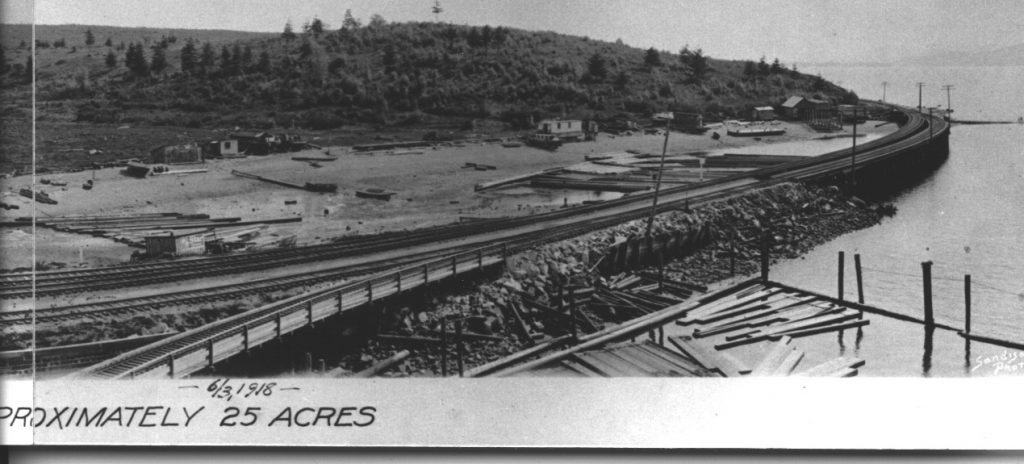
Historical photo of Post Point.
The most recent stage of Post Point’s evolution is “restoration success.” Fifteen years ago, the site was suffering from too much love. It was a popular spot for dogs to fetch and play in the water, and too many paws and feet in such a small area trampled the shoreline and aquatic vegetation. For four years, the City of Bellingham, who currently owns the site, installed paved trails and fences, and designated a protection zone for the lagoon, to enable dogs and their humans to enjoy it from a safer distance. They replanted the riparian zones and even eelgrass within the lagoon. The recovery has been textbook, with vegetation filling in along the shoreline, improving water quality, and, as Crab Team monitoring has documented, the lagoon now supports one of the richest pocket estuary faunas across our 56-site network.
Restoration Ideal
While the lagoon is largely considered ecologically restored, the site will likely never return to its pre-colonial condition. The railroad tracks that retain the lagoon itself continue to guide freight and passengers between Seattle and points north. Post Point’s ecological community also now hosts several species unknown to this part of the world prior to Western colonization, including the Asian mud snail (Batillaria attramentaria) and the Japanese oyster drill (Ocenebrellus inornatus). Both were imported unintentionally with Pacific oysters (Crassostrea gigas) and the drill can be a threat to native oyster populations. In a lot of ways Post Point carries out the new ideals of restoration, which prioritize recovering ecological function across a landscape, rather than trying to recreate some estimate of what a given site was like prior to degradation by humans.
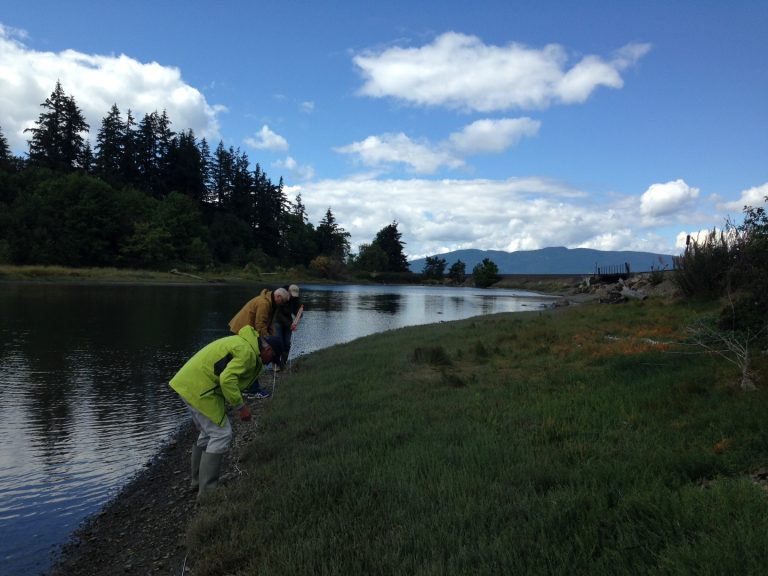
Post Point volunteers expertly assess shoreline habitat in a monthly transect survey. Photo courtesy of Emily Grason.
So far, European green crabs have not been detected among the other newcomers found at Post Point. Four years of trapping has failed to detect them at that site*. This gives us some hope that the lagoon can be protected into the future. Though Post Point will undoubtedly continue to evolve in the coming decades, and we hope to see an even greater diversity of animals there, we dearly hope that European green crabs are not soon added to its list of species.
Crab Team is grateful to the City of Bellingham for permitting access to the site for early detection monitoring.
*In addition to four years of Crab Team early detection monitoring, in 2019, Washington Department of Fish and Wildlife conducted two nights of intensive assessment trapping in the lagoon, in response to detecting three green crabs in nearby Chuckanut Bay. A follow-up assessment this year in September yielded no evidence of European green crabs.
-Emily Grason