by Emily Grason | Apr 1, 2025 | Community Science, Monitor Resources
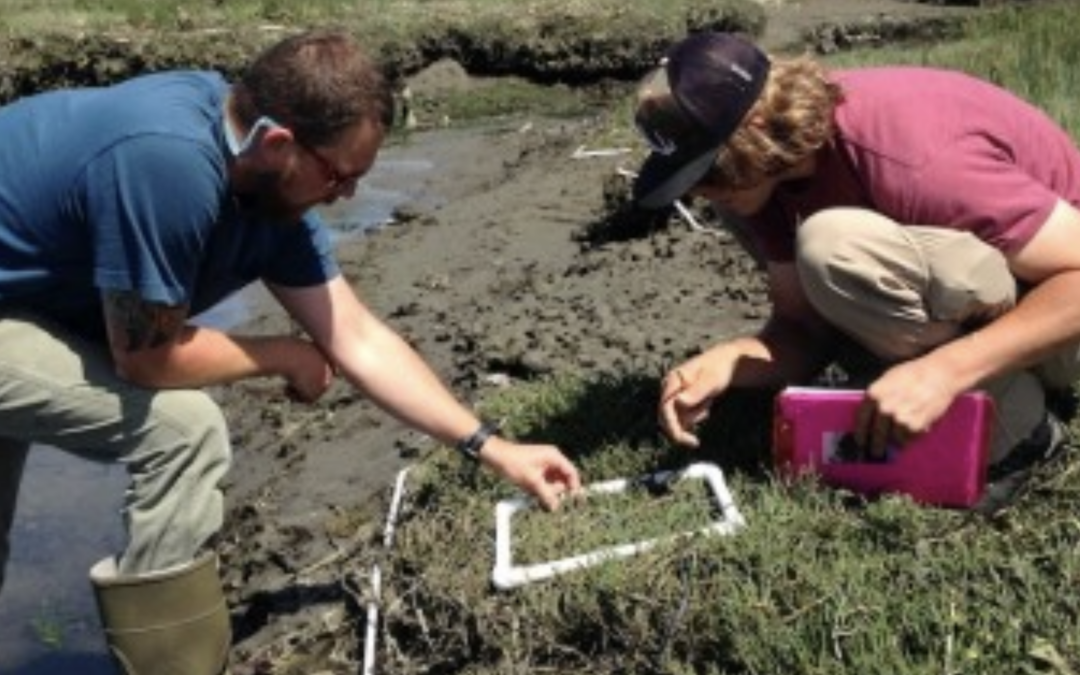
Today is the first day of the 2025 monitoring season and the Crab Team monitoring network is undergoing one of our biggest changes of the last decade. It is with very considered deliberation, discussion, and debate that we have decided to sunset the shoreline transect...
by WSG Crab Team | Feb 26, 2025 | Community Science, Team News
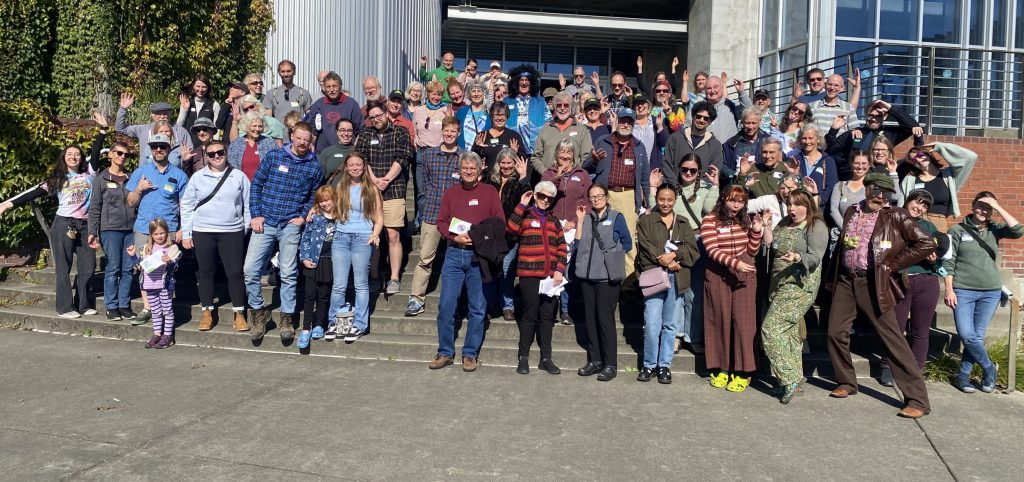
From humble beginnings spent daydreaming in 2014, from the first trap in the water in 2015, to a network of 307 active monitors across 68 sites: in 2024, Crab Team celebrated a decade of trudging around in the mud and counting crabs! A total of 770 monitors and 37,000...
by WSG Crab Team | Dec 16, 2024 | Community Science, Monitor Resources
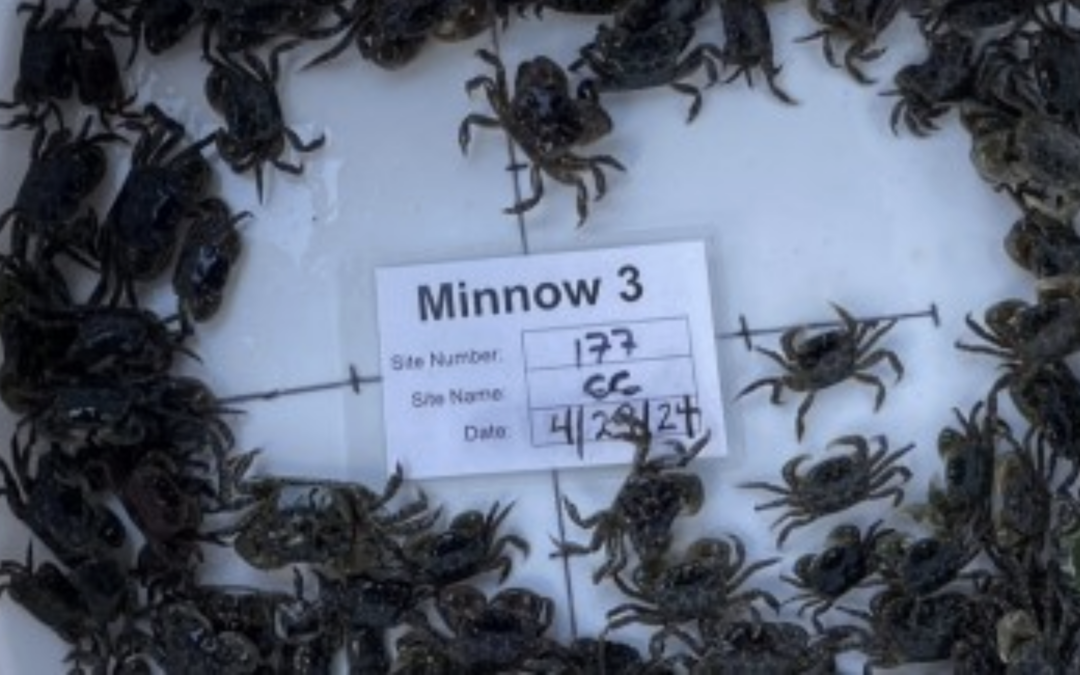
Tips for taking the best photos of your bin catches Your bin photos may feel as easy as the click of a button, but they are the essential step in the protocol that allows the Crab Team dataset to be used by researchers. Namely, they are the tool for validating all...
by Emily Grason | Jun 18, 2024 | Community Science, Monitor Resources
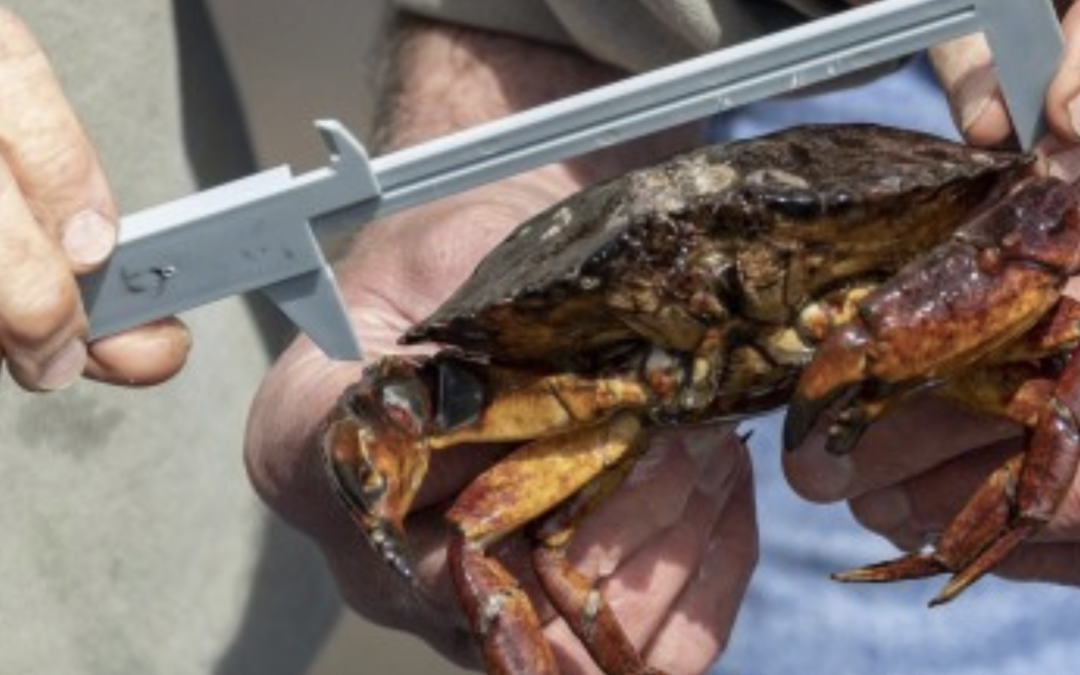
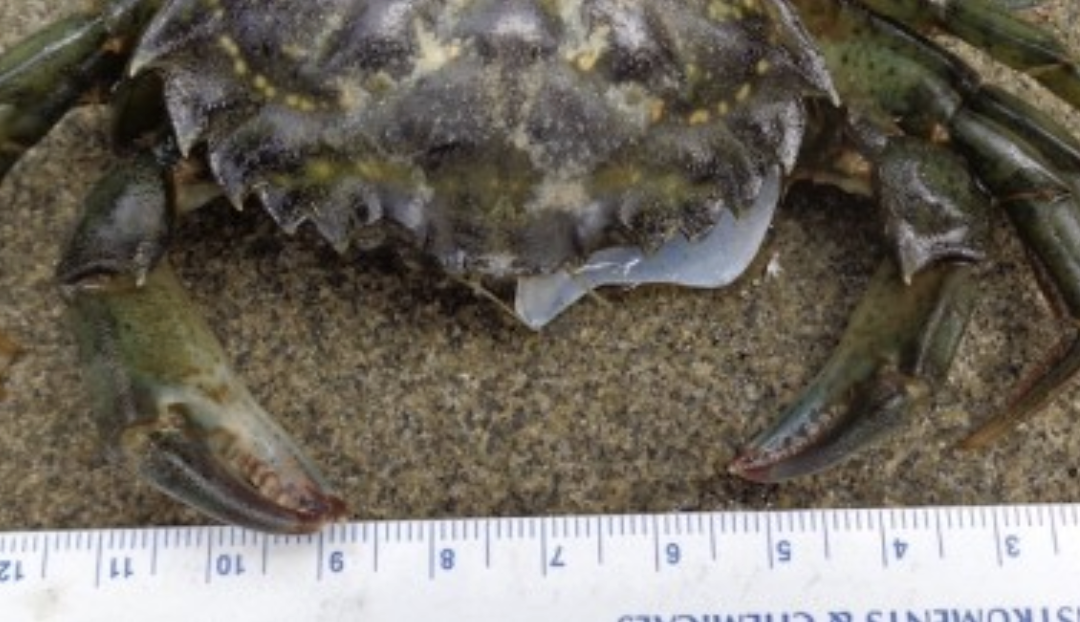
Why Measure Native Species? When it comes to interactions between crabs, whether of the same species or of differing species, size matters. When crabs run into each other out on tide flats, in lagoons, or channels, they might compete for food or shelter, or they may...
by Emily Grason | Nov 17, 2023 | Community Science, Monitor Resources
We are Crab Team after all, so it’s perhaps no surprise that we are not shy about getting up to our elbows in details about the crabs we catch. But what can we actually learn from looking at size data of crabs? What makes handling all the angry pinchers worthwhile? ...
by WSG Crab Team | May 1, 2023 | Community Science, Team News
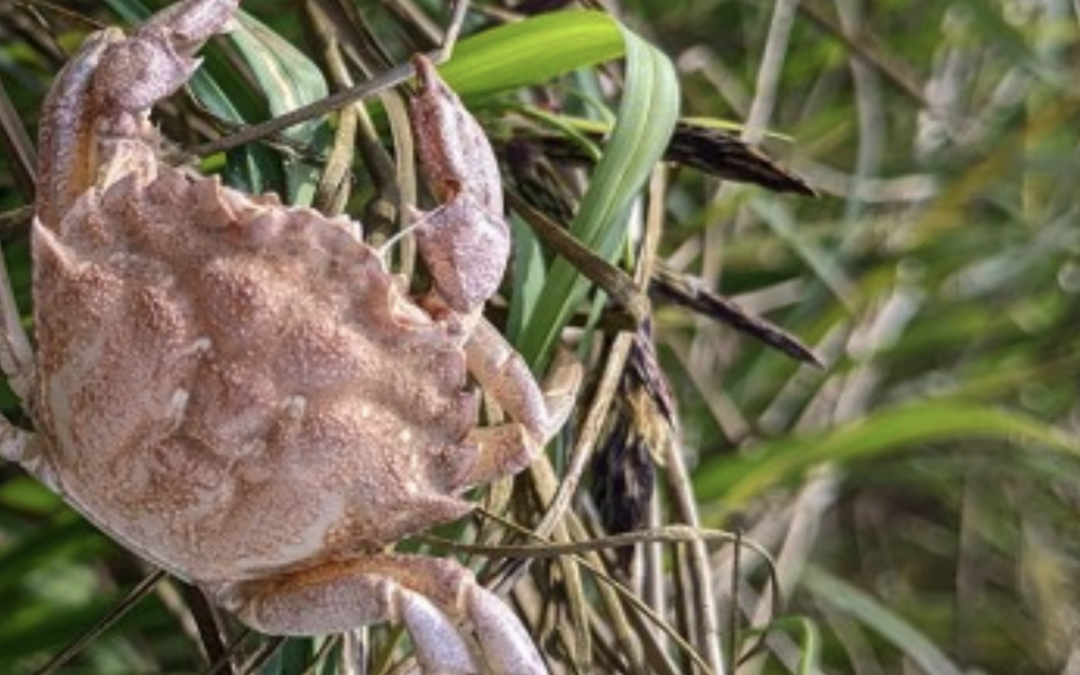
WSG and WSU Extension have teamed up to launch a new volunteer-based early detection program to complement the existing Crab Team monitoring network—introducing, Molt Search. Building on Early Detection Success Molt search builds on the hard work of Crab Team monitors...
