
This species is often confused with several similar-looking native crabs, so it is important to know the difference. In addition to knowing what to look for, we have some suggestions for where to look, and which inland Washington sites might be ideal green crab habitat.
What to look for
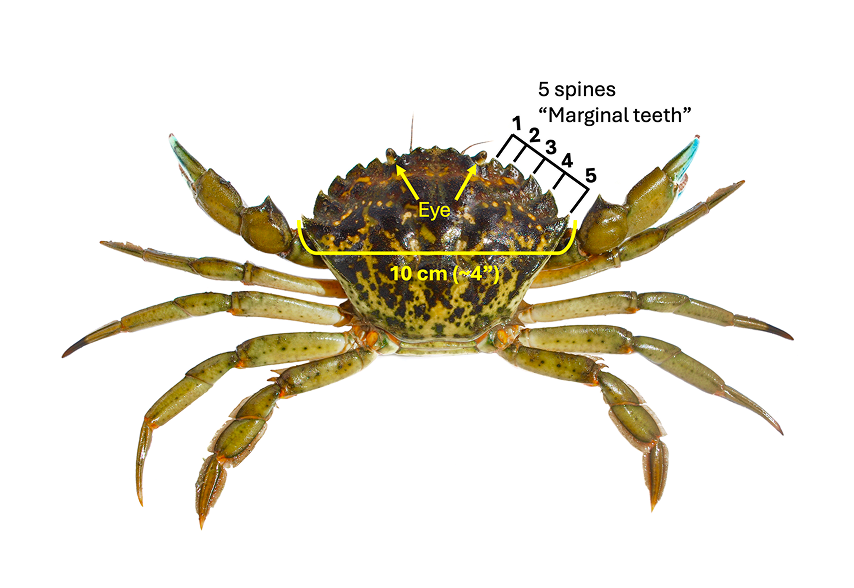
Distinctive Features
Shape
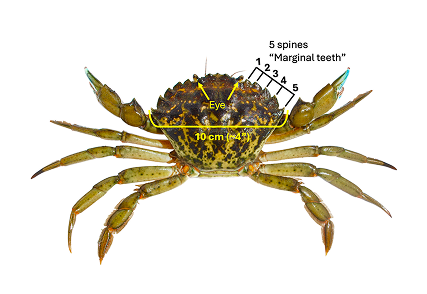
The absolute best way to tell European green crab from other species is by looking for five spines next to the eye (marginal teeth). Green crab is distinct from other native crabs in the number and clear shape of the marginal teeth. Additionally, the back shell is wider at the front than the back, which distinguishes it from the square shell of an hairy shore crab (Hemigrapsus oregonensis) and the diamond shape of the hairy helmet crab (Telmessus cheiragonus).
Color
Although known by the common name of green crab, color is not its distinguishing feature. The color of the back shell (carapace) can vary widely; the most common color is green, but adults also often have red, brown, or orange shells. Juveniles can be boldly patterned with black and white patches, and can change color to match their surroundings each time they molt. The underside of the crab can range from off-white, yellow, orange, red, green or even bluish in color.
Size
At its largest, the green crab’s carapace measures up to 100 mm (four inches) across the back shell, so anything larger is not a green crab. You are more likely to find smaller, younger green crabs, with carapaces around two to three inches. Male green crabs are generally larger than females of the same age. Adult green crabs are smaller than adult Dungeness or rock crabs.
Legs and Claws
This crab has relatively long legs compared to the main body. The claws are more narrow than a rock crab or a shore crab, and one claw might be slightly larger than the other. The last pair of legs is slightly flattened with a tidy row of fine hairs along the back edge.
Identifying Molts

Photo courtesy of Megan Cosand
When the European green crab arrived in Washington, the very first reports were not of live crabs, but of molted shells. Like snakes, crabs shed their “skin” as they grow. You might find crab molts on the beach and think that they are dead crabs, but in fact they are empty shells. Molts are usually lightweight relative to their size. They may be perfectly intact, or the legs and claws may be broken apart by waves or animals. No matter the size or condition, the carapace of the crab keeps its distinctive features, so it is most important for confirming the crabs’ identity.
Identification Practice
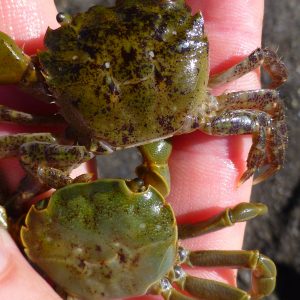
When learning to recognize a new species, it is helpful to look at a variety of pictures. By comparing many individuals of a single species, you will start to distinguish which characteristics are variable among different crabs and which are constant. Peruse the images of green crabs in the gallery below, or with this Google image search, to see if you can identify the features above in each picture. Then, explore the gallery of several native crabs to see how they differ.
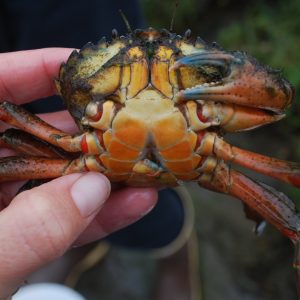
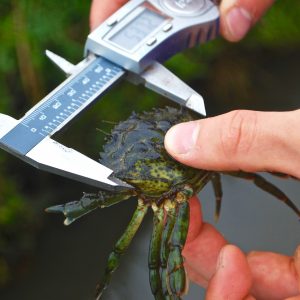
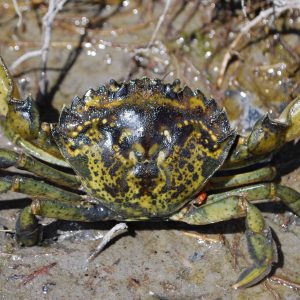
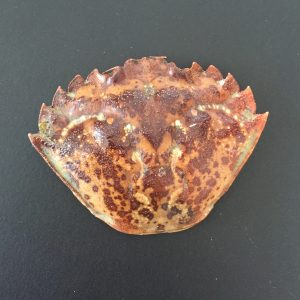
European Green Crab Gallery
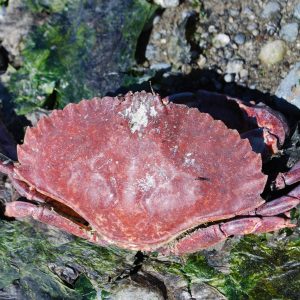
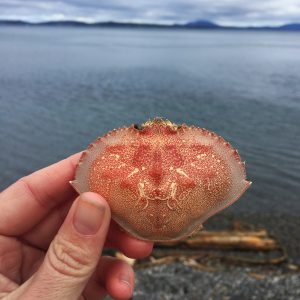
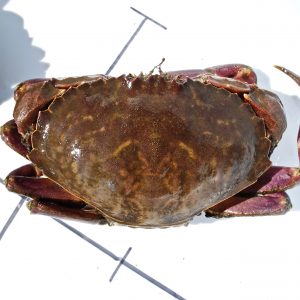
Native Crab Gallery
Additional Identification Resources

Flashcard Resources
Need help distinguishing similar crabs? These decks of flashcards are designed to help you distinguish among common crab species.
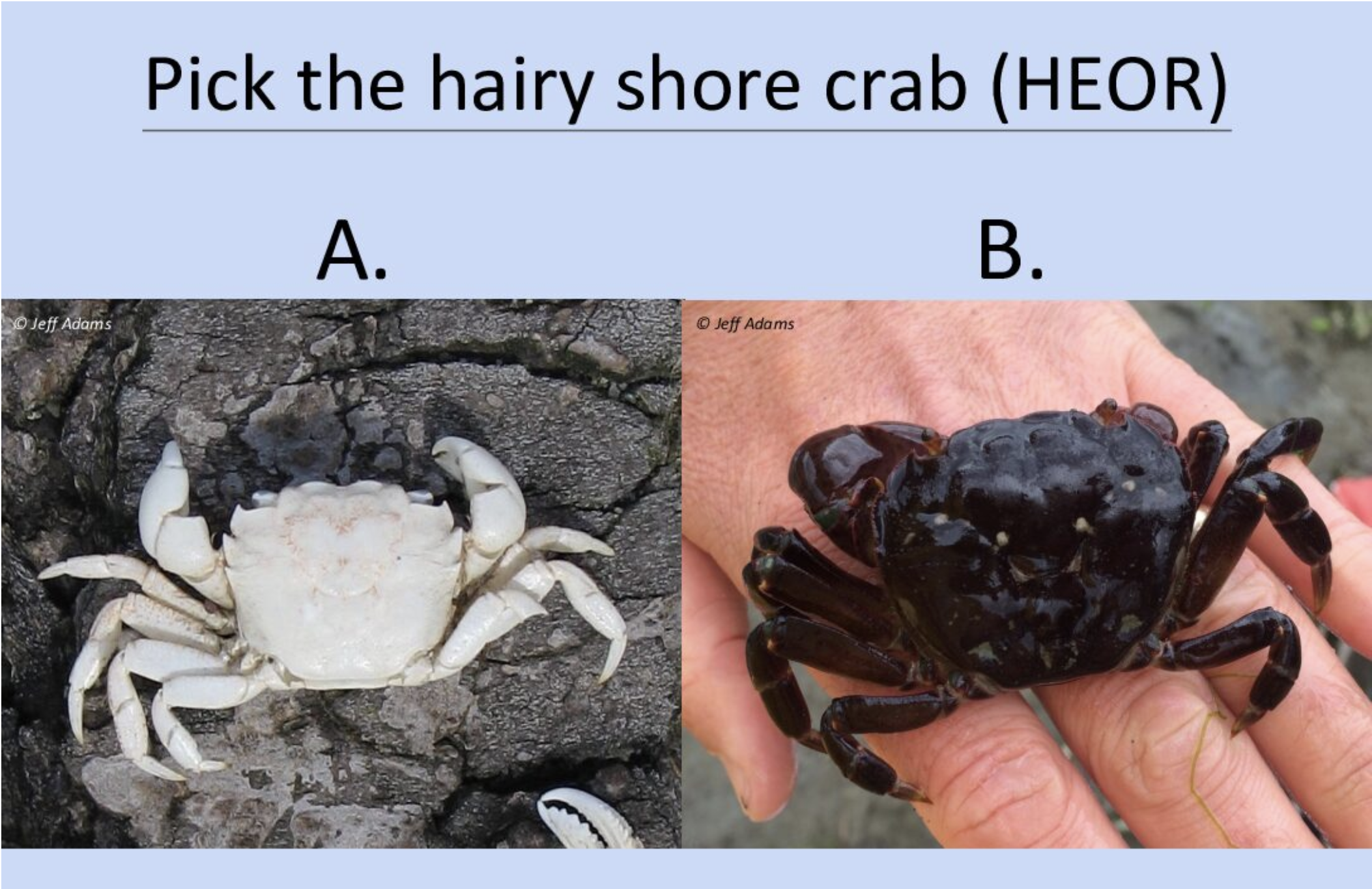
Similar shore crabs: hairy shore crab vs. purple shore crab
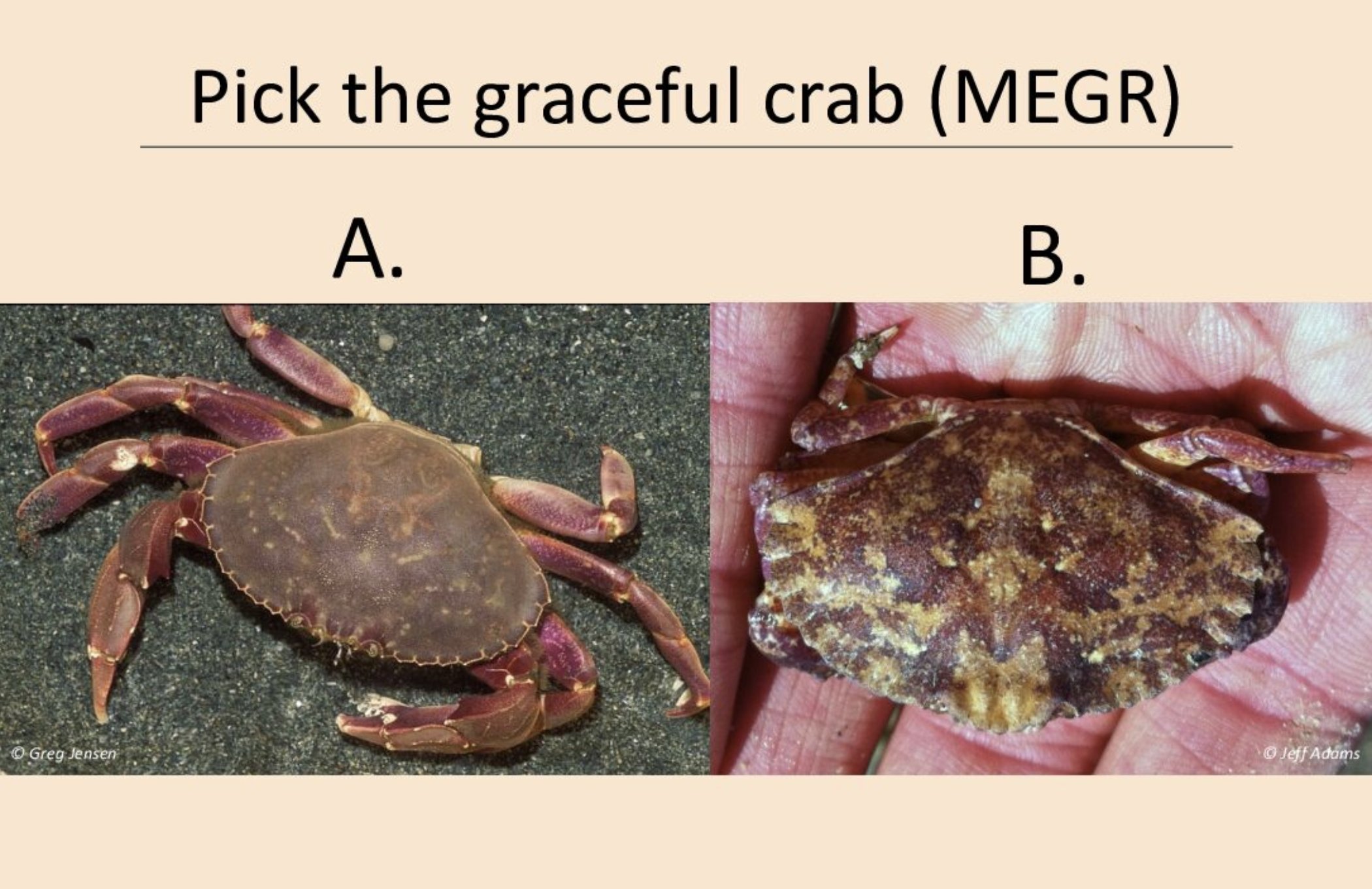
Comparing Cancrids: Dungeness vs. Graceful vs. Red Rock crabs
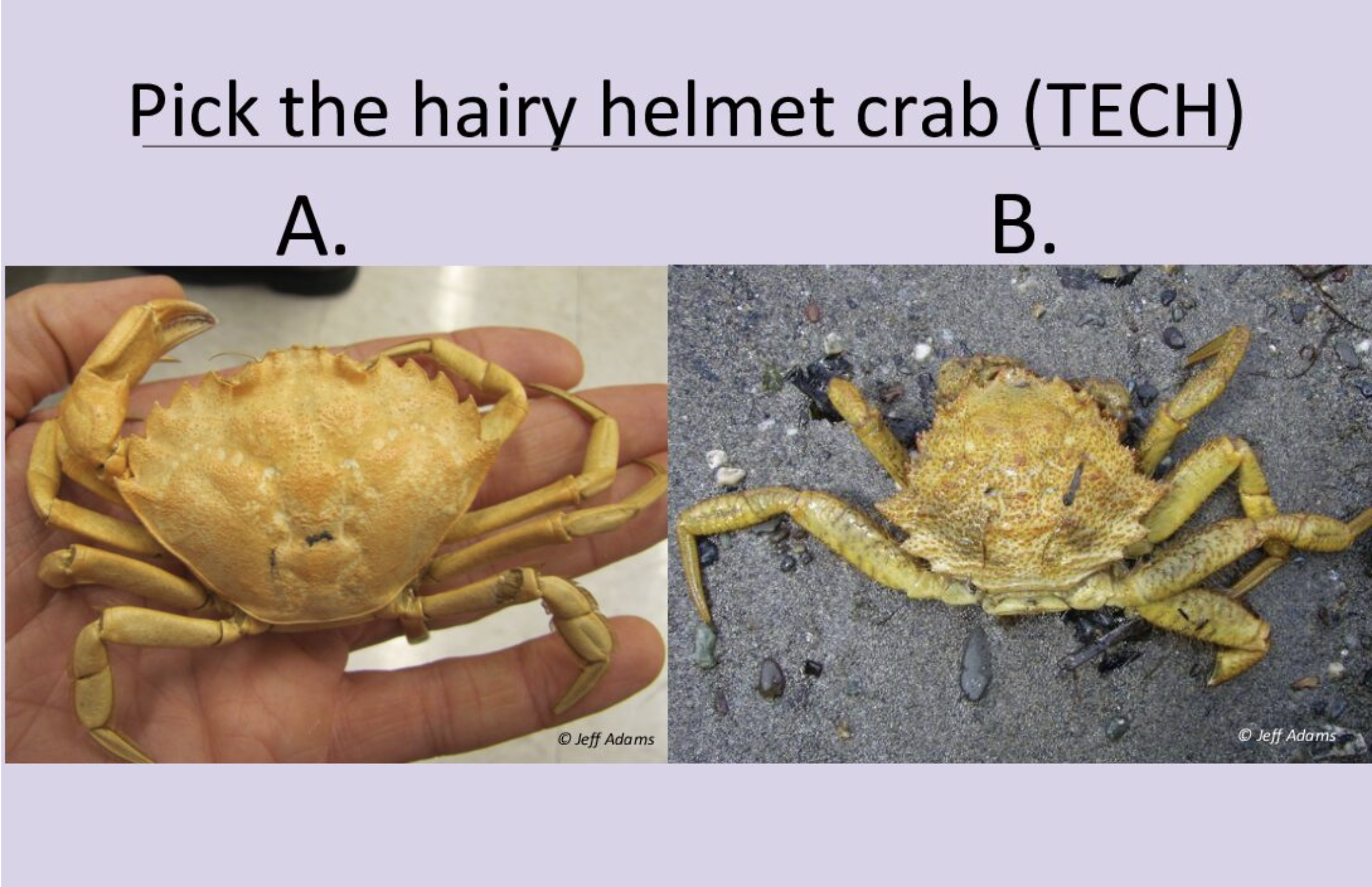
Rare finds: native hairy helmet &. spider crabs vs. invasive green crabs
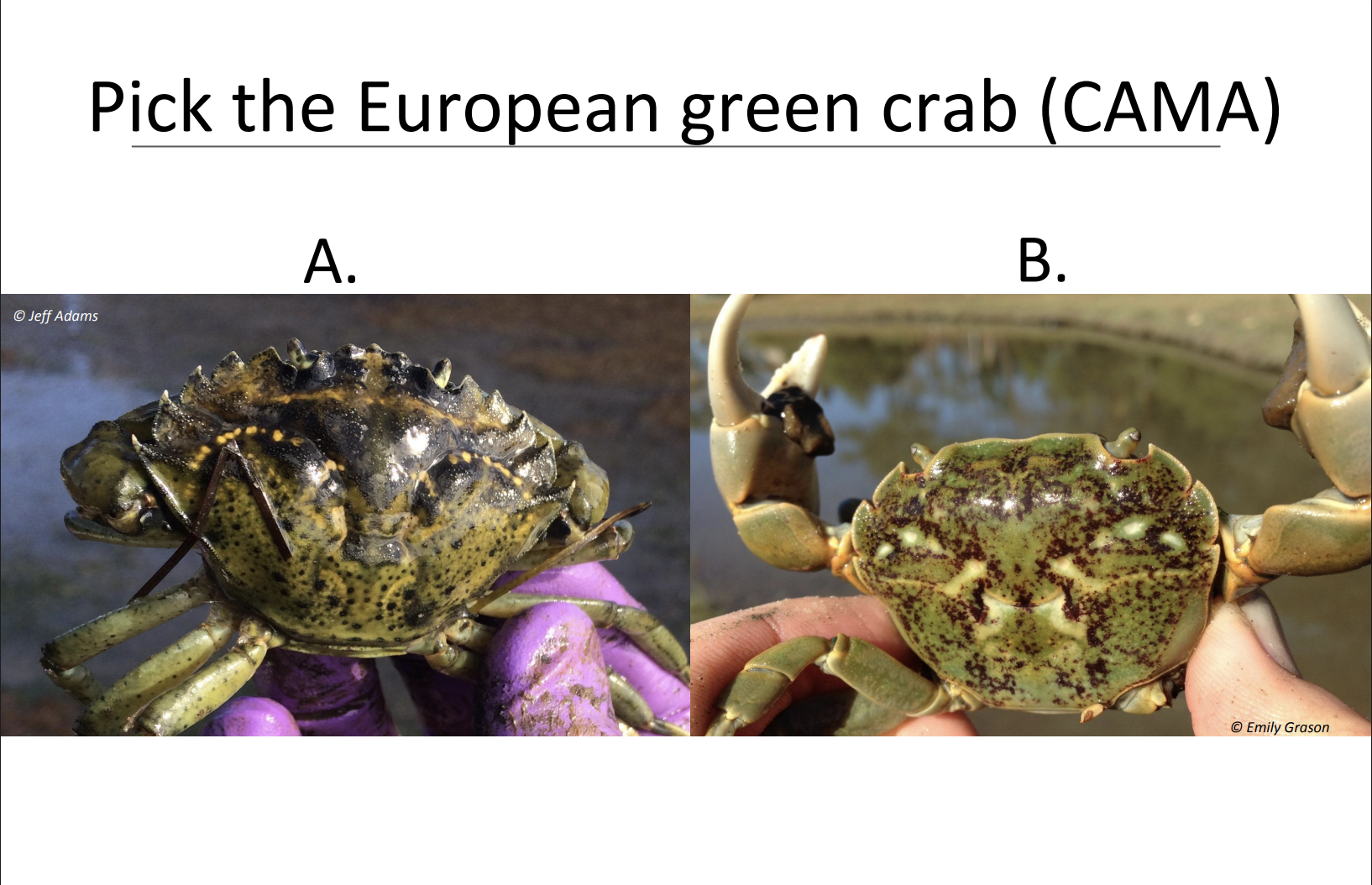
Find the invader: invasive green crabs vs native crabs
Have you found the European Green Crab?
In many places in Washington, you are unlikely to find evidence of a green crab without intentionally searching for them. Because green crabs are still expanding their foothold in the state, it’s helpful to be able to keep an eye out for them any time you spend time near saltwater. If a crab you have found matches their identification features, there’s a good chance it is an invasive European green crab.
Though they possibly could show up anywhere on Washington’s marine shorelines, based on their habitat preferences and the stage of the invasion, we have learned that there are more and less likely ways they could be encountered.
More Likely:
-
On quiet beaches that don’t get big waves, or in muddy saltmarshes and lagoons
- Coastal estuaries (Willapa Bay and Grays Harbor)
- As shells that wash up in the high tide line
- Under or around small rocks and debris, like shells. They also might be partially or fully buried in mud or sand.
Less Likely:
- On open, wave-swept beaches of sand or cobble
- In the Salish Sea, especially southern Puget Sound. Visit this detection map to see where green crabs have been found in the Salish Sea portion of Washington.
- Captured in recreational or commercial crab or shrimp pots set more than 15’ deep. Most recreational crab pots have holes large enough for green crabs to escape. Ring nets are an exception.
- Climbing the pilings of a pier, though they may use the area at the base of pilings and beneath piers.
If you are uncertain, capturing photos is always a good idea. For more information on what to do if you think you might have found a green crab, visit the page below
If you would like to help search for green crab by volunteering for Crab Team, check out our two participatory science programs Molt Search and Monitoring Network. You can also learn about how Crab Team supports management partners on the Trapper Support page.
Molt Search
Eyes on the Beach
Monitoring Network
Boots in the Mud